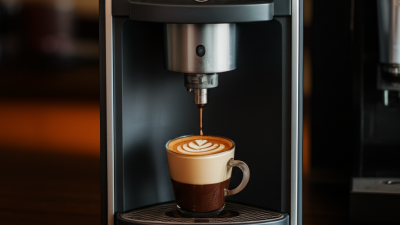
Choosing the right vending machines for businesses is crucial for success. These machines can enhance customer experience and boost revenue. However, selecting the ideal machines requires careful consideration.
The market offers a variety of vending machines for businesses. Each type serves different needs. These needs depend on customer preferences and location. For instance, snack machines may work well in offices. In contrast, beverage machines could thrive in gyms.
It's important to think about maintenance and reliability. Not all machines are built the same. Some may break down frequently, causing frustration. Reflecting on the cost-to-benefit ratio is essential. Investments should lead to tangible returns. Ultimately, the right decision can elevate your business.
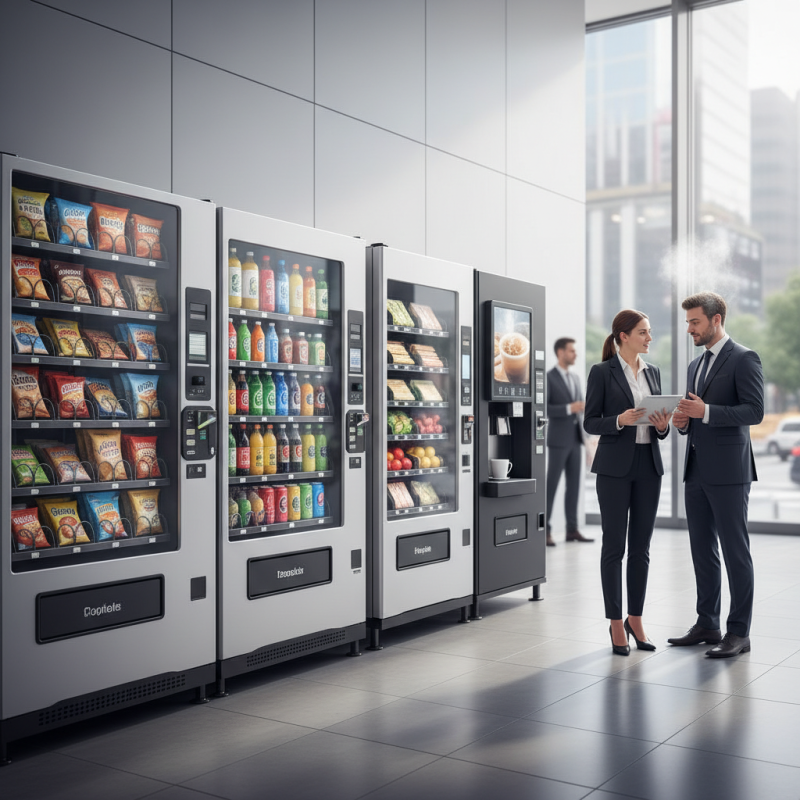
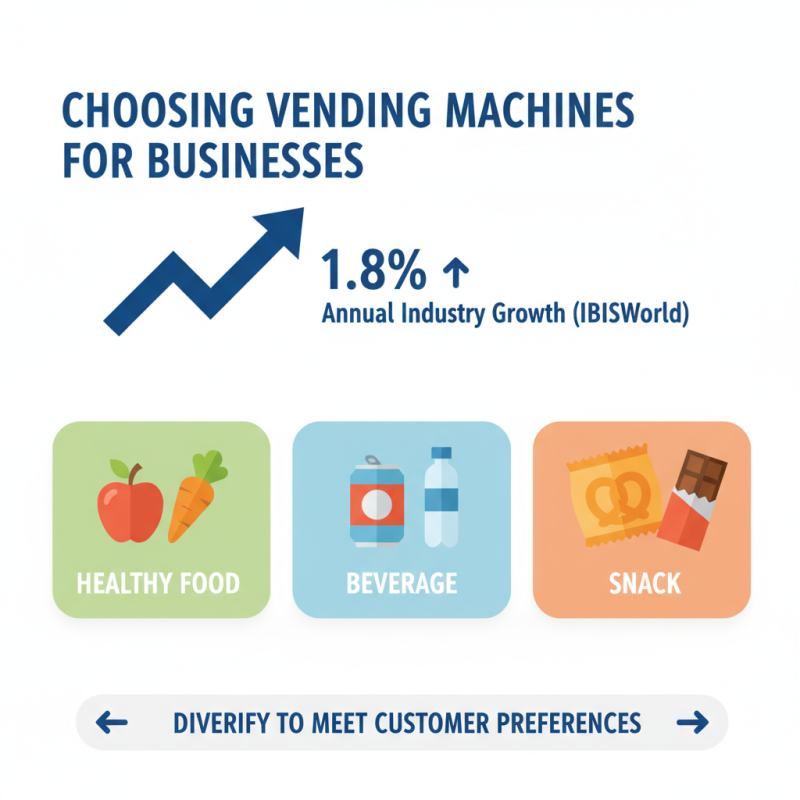
When choosing vending machines for businesses, understanding the types available is crucial. There are several categories, including snack, beverage, and healthy food machines. A report from IBISWorld notes that the vending machine industry has grown at an annual rate of 1.8%, indicating a steady demand for various options. Installing diverse machines can target different customer preferences effectively.
Snack vending machines offer popular items like chips and candy. They appeal to many consumers looking for quick comfort foods. On the other hand, beverage machines typically provide soda and water. These remain essential in busy locations, as a 2022 survey found that 72% of consumers purchase drinks from vending machines often. Healthy food machines are on the rise, reflecting changing consumer habits. They provide fresh choices like salads and protein bars.
Tip: Assess your target audience. Are they health-conscious? Install healthy food options. Monitor sales to find out which items perform best. Consider seasonal changes too. Demand can fluctuate, so remain flexible. Provide a mix to cater to different tastes. Keep in mind that the success of vending machines may vary. Don’t hesitate to rethink your strategy if sales disappoint.
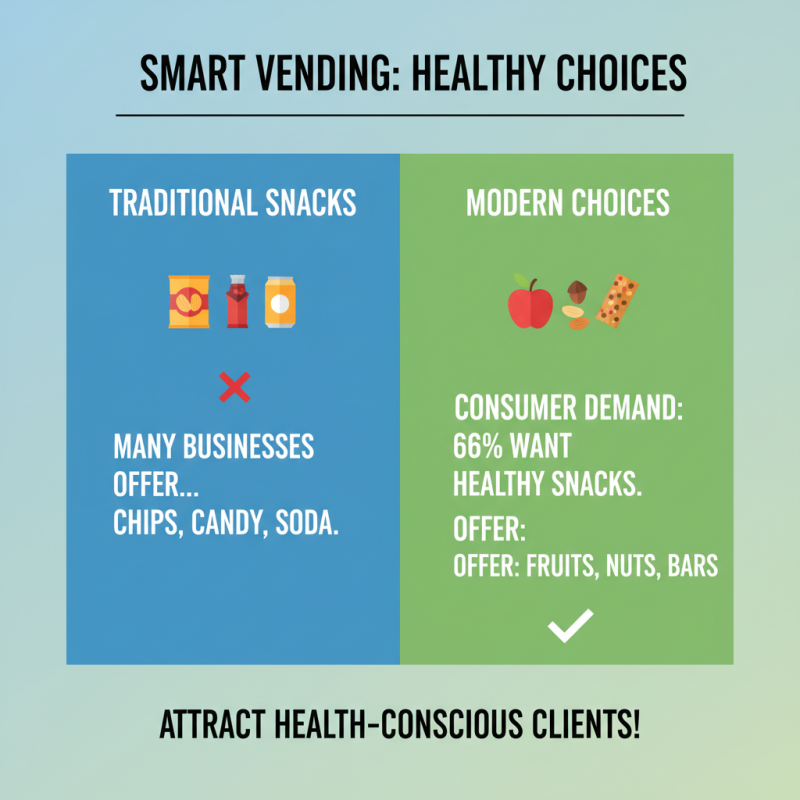
When selecting vending machines for businesses, evaluating product selection and stocking options is crucial. Consumer preferences are continually evolving. Reports show that 66% of customers prioritize healthy snack options. Offering fruits, nuts, and healthy bars can attract health-conscious clients. Yet, many businesses still focus predominantly on traditional snacks like chips.
Stocking options also affect business profitability. A recent study indicates that vending machines with a diverse range of products experience a 35% increase in sales. Different environments require tailored selections. Offices might favor coffee and energy bars, while gyms could benefit from protein snacks and waters.
Moreover, constant monitoring of sales data is vital. Machines that routinely underperform in specific locations need to be reevaluated. Unexpected trends can arise, shifting what consumers crave. Keeping stock fresh is essential as well. Outdated products can lead to declining sales, impacting overall revenue. Adapting to customer feedback and sales patterns is necessary for success in this competitive market.
When choosing the best location for your vending machines, foot traffic is key. Busy areas like office buildings, schools, and hospitals generally yield better sales. Observe the patterns. Are people frequently passing by? Think about peak hours. Lunch breaks and after-work hours are often prime times. The more potential customers, the better.
Consider the demographics of the area. A vending machine near a gym might sell healthy snacks. In contrast, a location near a school could benefit from sweets and beverages. Evaluate the competition as well. Too many machines in one spot can dilute your sales. Take time to assess the local needs.
Sometimes, locations may not perform as expected. A prime spot with low sales can be frustrating. Reflect on why this is happening. Is the product mix appropriate? Are the prices competitive? Don’t hesitate to make adjustments. Learning from these experiences can lead to improved decision-making in the future.
When considering the cost and ROI of vending machine investments, various factors come into play. A survey by the National Automatic Merchandising Association indicates that the average vending machine earns between $35 to $100 per week. This figure can vary significantly based on location and the type of products offered. High-traffic areas, such as office buildings and schools, typically see better returns.
Investors should factor in initial costs, including purchase price and installation fees. The average new vending machine costs between $3,000 to $5,000. Additionally, a report from IBISWorld states that operating costs, like restocking and maintenance, can consume up to 40% of the revenue. This reality compels many to reflect on their choices. Are expensive machines always the best option? A cheaper model in the right location might outperform it.
Finally, analyzing the average ROI is crucial. Many operators report a modest 20% return on investment, which can take several years to realize. This uncertainty prompts a vital question: Are you prepared for the long-term commitment? The journey to finding profitable vending solutions is often filled with trial and error.
When selecting vending machines, maintenance and support services are crucial. Reliable maintenance ensures machines are operational, providing consistent revenue. A study by the National Automatic Merchandising Association indicates that 30% of vending machines underperform due to poor upkeep. Regular servicing can prevent these issues and boost profitability.
Support services should also be considered. Access to timely repairs is essential. A survey revealed that 60% of operators reported service response times of over 24 hours. This delay can lead to lost sales and frustrated customers. Contracts that include quick-response support help mitigate these issues.
Choosing vendors that offer comprehensive services can guide businesses through potential challenges. Some operators may overlook the importance of support when selecting machines. They may later regret this, as downtime can significantly impact earnings. Investing in robust maintenance and support plans is as vital as choosing the right machine.
| Feature | Importance Level | Maintenance Frequency | Support Availability |
|---|---|---|---|
| User-Friendly Interface | High | Monthly | 24/7 |
| Energy Efficiency | Medium | Quarterly | Business Hours |
| Product Variety | High | Every 6 Months | Weekdays |
| Payment Flexibility | High | Monthly | 24/7 |
| Reliability | Critical | Weekly | 24/7 |