
What Is a PPE Vending Machine and How Does It Work?
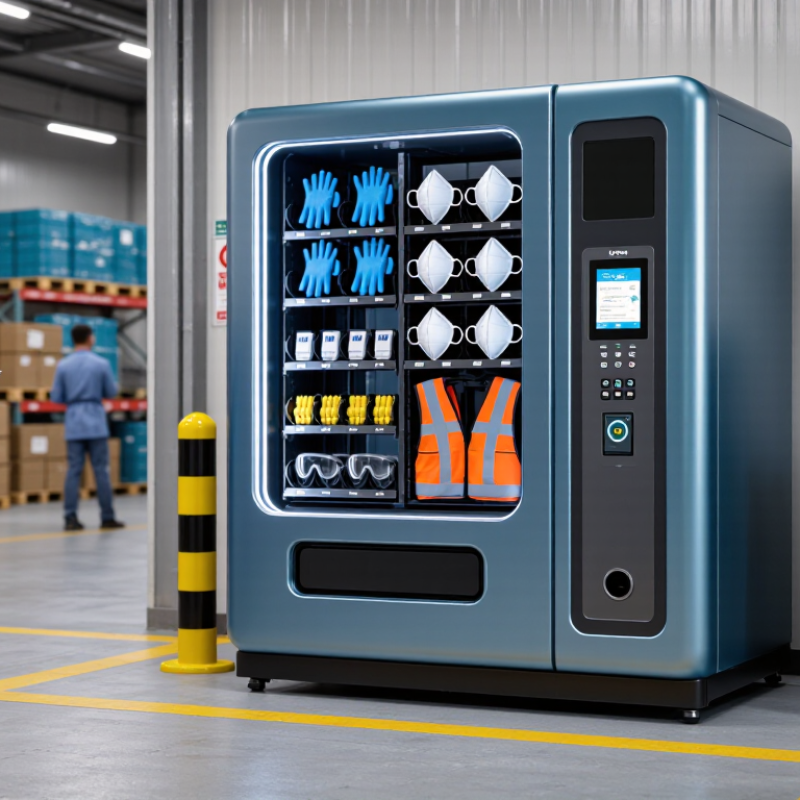
A PPE vending machine is a secure, automated station that distributes personal protective equipment near the point of work. In a warehouse, clinic, laboratory, or construction area, employees can collect gloves, masks, earplugs, safety glasses, and other approved supplies without visiting a storeroom. The machine may use an employee badge, PIN, QR code, or touchscreen selection. A motor then releases the chosen item through a controlled compartment.
Its value is practical. Workers receive protection within seconds, while managers gain clearer records of usage, stock levels, and replenishment needs. Some systems connect with inventory software and send alerts when supplies run low. In my experience, placement matters as much as technology. A unit beside a workshop entrance encourages better habits than one hidden in an office. Clear labels and simple instructions also reduce hesitation during busy shifts.
Still, the equipment is not a complete safety program. It cannot decide whether a respirator fits, whether gloves resist a specific chemical, or whether damaged PPE should be rejected. Sensors can fail. Items can run out. Employees may select the wrong size. Human review remains necessary. Reliable programs combine the ppe vending machine with risk assessments, training, maintenance checks, and suitable PPE approved for the task. This article explains the machine’s core components, dispensing process, management benefits, and practical limitations. The goal is not to present automation as perfect, but to show where it genuinely improves access and where careful judgment must remain.
What Is a PPE Vending Machine?
A PPE vending machine is an automated cabinet that provides personal protective equipment where people need it. PPE may include gloves, safety glasses, face coverings, earplugs, helmets, or reflective vests. Unlike a snack machine, it supports workplace safety and controlled equipment access.
Workers usually identify themselves with an employee card, code, or touchscreen selection. The machine then releases approved items from separate compartments. Sensors can record the product type, quantity, time, and user. Managers review this information through a connected system or local report. This helps maintain stock and notice unusual usage patterns.
The machine works best near workshops, construction entrances, laboratories, and maintenance areas. A worker should see the equipment clearly before selecting it. Clear labels matter. So does easy access.
From practical experience, vending machines can reduce empty shelves and shorten supply-room visits. They do not replace training, inspections, or supervisor judgment. A machine may release the wrong size if product settings are poorly configured. It may also stop working when power or network service fails. Regular checks are still necessary. Human oversight remains important.
| Data Dimension | Data or Typical Value | How It Applies to a PPE Vending Machine | Operational Note |
|---|---|---|---|
| Definition | Automated PPE dispensing equipment | Provides controlled access to personal protective equipment without requiring a staffed supply counter. | The exact cabinet size, capacity, and dispensing mechanism vary by model and product mix. |
| Main Purpose | 24-hour or scheduled PPE availability | Allows authorized workers to obtain required protective equipment close to the point of use. | Access can be configured for continuous operation or limited to approved working hours. |
| Typical PPE Categories | Gloves, safety glasses, earplugs, masks, disposable coveralls, and high-visibility garments | Products are stored in separate compartments, spirals, bins, or locker-style sections. | The machine should be configured around the dimensions, packaging, and usage rate of each item. |
| User Authentication | Badge, PIN, barcode, QR code, or approved mobile credential | Identifies the user before the machine releases a product. | Available authentication methods depend on the machine’s control system and site security policy. |
| Product Selection | Touchscreen, keypad, or physical selection button | The user selects a product, size, quantity, or compartment after authentication. | Clear product labels reduce selection errors, especially when several glove or garment sizes are stocked. |
| Dispensing Mechanism | Spiral coil, conveyor, elevator, locker door, or controlled bin | The mechanism moves the selected item into a collection area or unlocks the assigned compartment. | The dispensing method must match the product’s package shape, weight, and risk of damage. |
| Inventory Tracking | Item-level quantity and transaction records | Software records which product was dispensed, when it was dispensed, and, where enabled, who received it. | Inventory data can support replenishment planning and consumption analysis. |
| Stock Visibility | Remaining quantity, empty-slot status, and low-stock alerts | Managers can identify products that require replenishment before a worker encounters an empty compartment. | Remote alerts require a compatible network connection and monitoring software. |
| Replenishment Method | Manual restocking by an authorized attendant | The attendant loads products into labeled compartments and confirms the inventory update. | Restocking frequency should be based on usage rate, storage capacity, and site operating schedule. |
| Stock Rotation | FIFO or FEFO management | First-in, first-out can be used for general stock, while first-expire, first-out is appropriate when products have expiry dates. | Expiration-date control is especially relevant for certain respirators, sterile items, chemical-resistant products, and packaged consumables. |
| Size Management | Separate selections for common PPE sizes | Gloves, coveralls, respirators, and garments can be offered in multiple sizes to improve fit and compliance. | A suitable size range should be determined from the workforce profile and historical consumption data. |
| Transaction Control | Quantity limits or role-based permissions | The system can restrict how many items a user receives or limit access to selected PPE types. | Controls should not prevent workers from obtaining equipment required for an immediate hazard. |
| Usage Data | User ID, product ID, quantity, date, and time | These data points create an auditable record of PPE distribution. | Data collection should follow applicable privacy, labor, and workplace monitoring requirements. |
| Safety Glasses Reference | ANSI/ISEA Z87.1 or another applicable national standard | Safety eyewear stocked in the machine should be selected for the hazards present at the workplace. | The standard and marking requirements depend on the country and the intended protection level. |
| Hard Hat Reference | ANSI/ISEA Z89.1 or another applicable national standard | Protective helmets can be dispensed when the work area presents falling-object or head-impact hazards. | Helmet type, class, and accessories must match the workplace risk assessment. |
| High-Visibility Clothing Reference | ANSI/ISEA 107 or another applicable national standard | Vests, jackets, or other high-visibility garments can be stored in larger locker or bin compartments. | Required garment class depends on traffic exposure, work environment, and local regulations. |
| Respiratory Protection | Disposable or reusable respirators selected for the identified hazard | The machine can control access to respirators and record distribution by type and size. | Respirator selection, fit testing, medical evaluation, and training may be required by applicable regulations. |
| Availability Benefit | Reduced dependence on a central storeroom | Placing equipment near production areas, entrances, or high-risk tasks can shorten the time needed to obtain PPE. | The machine supplements, rather than replaces, a documented PPE program and hazard assessment. |
| Best-Fit Workplaces | Manufacturing, construction, warehousing, laboratories, utilities, and maintenance sites | These environments often have recurring PPE demand and multiple shifts or work zones. | Suitability depends on product demand, environmental conditions, security needs, and available installation space. |
| Basic Operating Sequence | Authenticate → select → dispense → record → replenish | This sequence connects worker access, automated delivery, digital tracking, and stock management. | The sequence may include additional approval, payment, or return steps depending on the implementation. |
Related Posts
-
Unlocking Efficiency: The Rise of Combination Vending Machines in a $30 Billion Industry
-
2026 Top Vending Locations Trends and Insights for Success?
-
How to Choose the Best Coffee Vending Machine for Business Needs?
-
Top Dispensing Machines for Efficient and Convenient Service Solutions?
-
How to Choose the Best Snack Machine for Your Business?
-
Top Soda Machines for Global Buyers in 2026?