What is a Soda Machine and How Does it Work?
Soda machines are a common sight in many places. They dispense a variety of carbonated beverages, delighting customers with refreshing choices. These machines operate on a straightforward principle: they mix carbonated water with flavored syrup and dispense it upon request.
Understanding how soda machines work can be fascinating. A customer selects a drink, and the machine blends ingredients. This automated process embodies convenience in our fast-paced life. However, many don't consider the intricacies behind each fizzy sip.
Reflecting on soda machines reveals a blend of technology and simplicity. There's a certain beauty in their mechanics. Yet, one might question their environmental impact and health implications. Are we overlooking crucial aspects? Such reflections invite deeper thinking about our beverage choices.
What is a Soda Machine? A General Overview
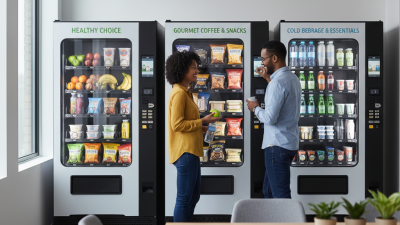
A soda machine is a popular beverage dispenser found in many public spaces. It serves carbonated soft drinks to thirsty consumers on demand. These machines are designed for ease of use. They usually accept coins, bills, or digital payments. Users simply make their selection and receive their drink almost instantly.
In recent studies, around 85% of consumers reported using vending machines regularly. This reflects the convenience they offer. The global vending machine industry is projected to reach $30 billion by 2025. However, there are challenges.
Often, machines face technical issues, leading to frustrated customers and lost sales. Many users have experienced the disappointment of a soda machine running out of stock. Reports indicate that approximately 20% of machines are frequently out of popular drinks.
Soda machines can also contribute to waste. Plastic bottles and cans from these machines generate significant environmental concerns. Companies are urged to focus on sustainable practices. This includes offering refillable options to reduce plastic waste. While soda machines provide convenience, they also present issues that need addressing for a more sustainable future.
The Components of a Soda Machine and Their Functions
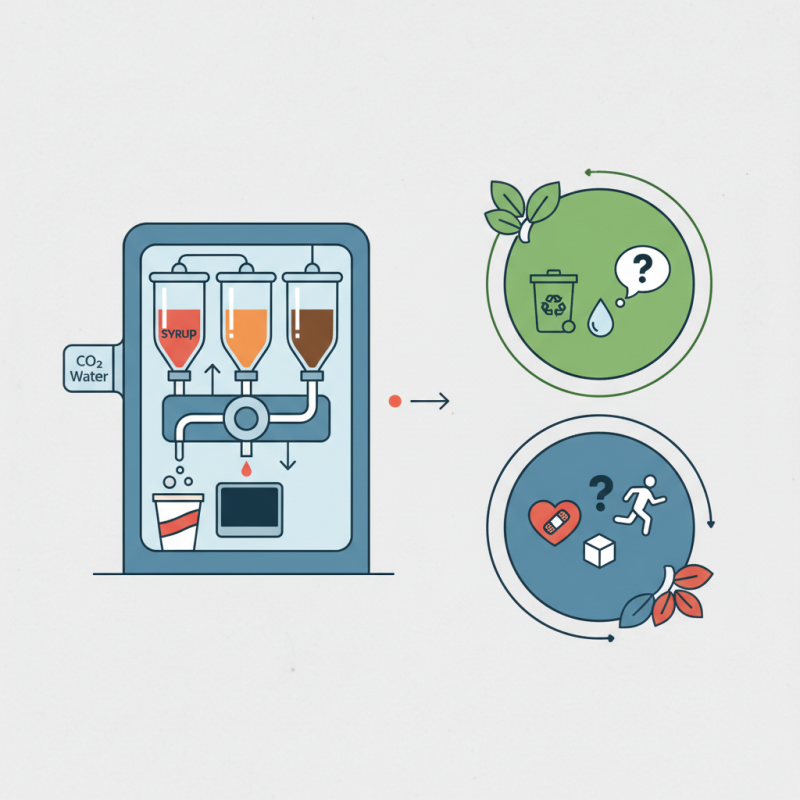
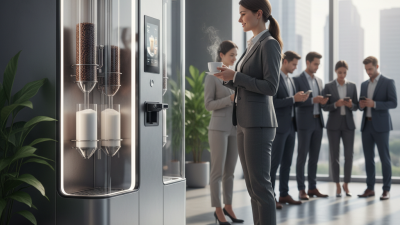
A soda machine is an interesting invention. It combines several components to create fizzy drinks. The most important parts include the carbonator, syrup dispenser, and the refrigerating unit. Each component plays a specific role in ensuring you enjoy a refreshing beverage.
The carbonator adds carbon dioxide to water. This creates the effervescence that many people love. The syrup dispenser holds various flavored syrups. When you select a drink, the machine mixes water and syrup in perfect proportions. The refrigerating unit keeps everything cold. A cold drink is often more enjoyable than a warm one. However, maintaining the right temperature can be challenging. Sometimes the drinks are too cold or not cold enough.
While the idea of a soda machine seems straightforward, issues can arise. Parts may malfunction, or flavors may mix incorrectly. Regular maintenance is required to keep the machine running smoothly. Users often complain about sticky spills around the dispensing area. This can lead to unsanitary conditions if not addressed. The overall experience hinges on the machine's effectiveness and cleanliness.
Soda Machine Components and Their Functions
How Soda Machines Carbonate Beverages: The Science Behind It
Soda machines are fascinating devices that carbonate beverages using science. At their core, they utilize carbon dioxide (CO2) to create those fizzy bubbles that many love. The process involves forcing CO2 gas into the liquid under high pressure. Once the pressure is released, the gas forms bubbles, giving the drink its characteristic effervescence. Recent studies indicate that carbonated beverages can have up to 5.5 volumes of CO2, enhancing flavor and texture.
The science behind carbonation can be quite intricate. The solubility of CO2 in water is affected by temperature and pressure. Cooler temperatures allow more CO2 to dissolve in the liquid. Additionally, the process can be adjusted by changing the pressure levels within the machine. As you enjoy that cold soda, remember that not all machines are created equal. Some may not carbonate to the same degree as others, leading to varying tastes.
Tip: If you're interested in making your own carbonated drinks at home, consider investing in a home soda maker. These machines allow you to control the carbonation levels. You might find that a lower carbonation level suits your taste better. Experimenting with flavors and carbonation can yield delicious results.
However, not everyone enjoys the same carbonation level. Some prefer a gentle fizz, while others love a robust sparkle. Finding the right balance is key to enjoying your drink. Don't be afraid to test different levels.
Common Types of Soda Machines and Their Usage in Various Settings
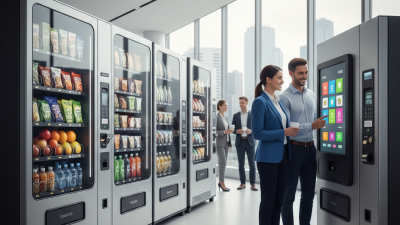
Soda machines play a significant role in various settings. They are commonly found in convenience stores, restaurants, and schools. According to industry reports, over 60% of beverage sales in quick-service restaurants come from soda options. This highlights the importance of these machines in generating revenue.
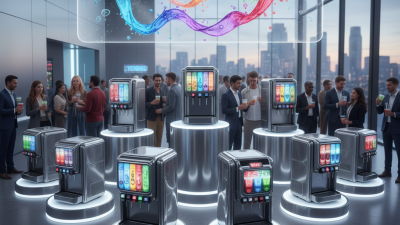
Different types of soda machines are designed for specific uses. Freestyle machines allow customization, offering diverse flavors. These machines can serve over 100 drink combinations, catering to various customer preferences. On the other hand, traditional carbonation machines are simple and reliable. They deliver well-known soft drink options consistently. However, their limited choices might not meet every consumer's taste.
Not all locations have embraced modern soda machines. Some establishments still rely on more straightforward setups. This can limit customer choices. Data indicate that locations with diverse options see increased foot traffic. Reflecting on this, businesses should consider the importance of updating their beverage offerings. A lack of variety may result in missed opportunities to engage customers.
What is a Soda Machine and How Does it Work?
| Type of Soda Machine |
Usage Environment |
Typical Capacity |
Key Features |
| Freestanding Vending Machine |
Public Spaces (Malls, Offices) |
Up to 600 cans |
Coin and Cash Payment Options, LCD Screen |
| Countertop Soda Dispenser |
Restaurants, Cafes |
Varies (5-10 gallons of syrup) |
Multiple Flavor Options, Ice Dispensing Capability |
| Portable Soda Machine |
Events, Parties |
Few dozen servings |
Lightweight, Easy Setup |
| Bag-in-Box Soda Dispenser |
Catering, Large Events |
Up to several hundred servings |
Space Efficient, High Volume Output |
| Soda Fountain Machine |
Fast Food, Diners |
Varies (2-4 flavor options) |
Self-Service, Easy to Use |