Top 10 Vending Business Types to Start Worldwide?
A vending business can begin with one machine, but its success depends on careful choices. Around the world, customers seek quick access to snacks, drinks, personal care products, electronics accessories, and everyday essentials. This guide explores ten vending business types with practical potential across different markets, climates, and customer habits.
Location matters greatly. A cold-drink machine near a sports center serves a different need than a coffee machine in an office lobby. Reliable suppliers, secure payment systems, simple maintenance, and accurate inventory records also shape long-term performance. Operators should research local permits, tax requirements, consumer protection rules, and product safety standards before investing. Legal requirements differ widely. Never assume one market’s process applies everywhere.
Some models may appear highly profitable online. Reality can be less polished. Rent, repairs, payment fees, expired stock, and quiet business hours can reduce returns quickly. That is the uncomfortable part. A machine may look busy but still earn little after operating costs. Experience comes from testing demand, reviewing sales data, and speaking with property owners and customers. The strongest ideas usually solve a specific problem rather than copy a popular trend. This overview will compare practical options, suitable locations, customer demand, investment considerations, and common risks. It will not promise instant income. Instead, it offers a grounded starting point for choosing a vending business that is lawful, useful, and realistic for its intended market.
Vending Machines as a Global Business Model
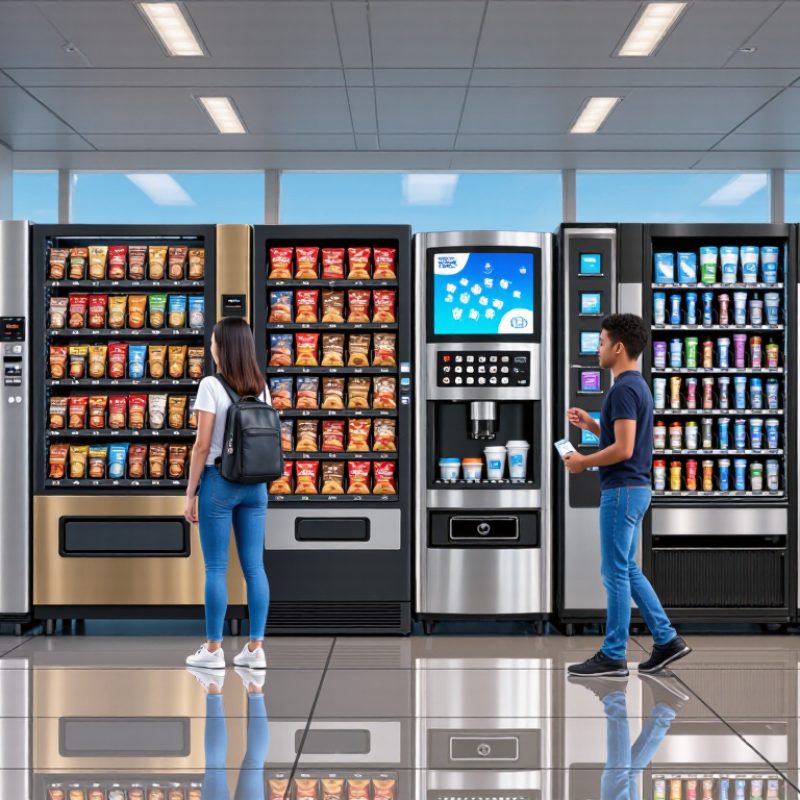
Vending machines are becoming a practical global business model, not merely a snack-selling idea. Grand View Research valued the worldwide vending machine market at approximately USD 21.84 billion in 2022. It also projected a 10.7% compound annual growth rate from 2023 to 2030. These figures suggest opportunity, but not guaranteed profit.
The strongest ten business types include packaged snacks, bottled drinks, hot coffee, fresh meals, healthy food, personal-care items, phone accessories, workplace safety supplies, books and stationery, and laundry essentials. Each category solves a small, visible problem. A commuter may want coffee at 6:30 a.m. A student may need a notebook before an exam. A factory worker may need gloves during a night shift. Location matters more than appearance.
Cashless payment adoption also supports unattended retail. The World Payments Report 2024 describes continuing growth in digital transactions across major markets. Still, payment access differs between cities and countries. Operators need backup payment options, clear pricing, reliable refrigeration, and local product labeling. Food machines require strict temperature records and regular cleaning. Regulations can also cover electrical safety, accessibility, taxation, and waste disposal.
This is not passive income. Stock can expire, machines can fail, and poor foot traffic can quietly destroy margins. Forecasts are useful, but local testing is better. One machine, measured weekly, may reveal more than a polished market presentation.
Fresh Food and Beverage Vending Businesses
Fresh food and beverage vending can turn a small footprint into a reliable daily service. Customers want chilled water, nutritious snacks, salads, sandwiches, fruit cups, and hot drinks near workplaces, schools, hospitals, and transport hubs. The strongest locations combine steady foot traffic with limited nearby food choices. Before buying equipment, measure demand at different hours. A busy morning may hide a quiet afternoon. That matters.
Tips: Choose products with clear use-by dates and simple ingredient labels. Use monitored refrigeration for foods requiring controlled temperatures, and record checks during every refill. Separate raw and ready-to-eat items. Plan a cleaning schedule for touchscreens, shelves, payment areas, and spill zones. Offer varied portions, including lower-sugar drinks and vegetarian choices. Confirm permits, tax duties, allergen rules, waste procedures, and electrical requirements locally. Rules differ widely.
Operational experience shows that freshness is a promise, not a design feature.
Start with a small product range, review sales and spoilage weekly, then adjust carefully. Some attractive items may sell poorly. That is normal. A clear refund process builds trust when payment succeeds but a product fails to drop. Keep emergency contacts visible, and inspect machines after power interruptions. Reliable service often beats flashy presentation.
Healthy Snack and Specialty Product Vending
Healthy snack and specialty product vending is gaining attention worldwide. Grand View Research estimates the global healthy snacks market could reach over USD 150 billion by 2030. This growth reflects demand for convenient foods with clearer ingredients, lower sugar, and higher protein. Vending operators can serve commuters, students, hospital visitors, and office workers. A refrigerated machine near a train platform may offer yogurt, fruit cups, nuts, and unsweetened drinks.
The opportunity extends beyond food. Specialty machines can sell travel-sized personal care items, phone accessories, protective equipment, or locally relevant convenience products. Allied Market Research projects the global vending machine market to grow steadily through 2027. Digital payments and remote inventory monitoring support this expansion. However, technology does not fix poor product selection. A machine filled with expensive snacks may look modern, yet remain untouched after two weeks.
Real operating experience shows that location matters more than decoration. Operators should test foot traffic at different hours and track every product sold. Temperature logs are essential for chilled foods. Clear allergen information also builds trust. Local health, tax, accessibility, and payment rules require professional review before installation. The data is encouraging, but not perfect. Healthy demand can be seasonal. Some customers still choose familiar comfort foods. A careful pilot, with small stock levels and weekly adjustments, reduces waste and reveals what people actually buy.
Top 10 Vending Business Types to Start Worldwide
Healthy snack and specialty-product vending opportunities ranked by typical consumer price per vend.
Fresh and specialty products generally support higher selling prices, while packaged snacks and beverages benefit from faster turnover and simpler storage. Prices shown are representative USD retail benchmarks for individual vending purchases and vary by country, location, portion size, and refrigeration requirements.
Convenience, Personal Care, and Essential Goods Vending
Top 10 Vending Business Types to Start Worldwide?
Convenience, Personal Care, and Essential Goods Vending
A vending business can serve daily needs where people cannot leave easily. Strong locations include transport hubs, hospitals, universities, offices, hotels, and residential buildings. Ten practical categories include bottled water, healthy snacks, hot drinks, fresh meals, baby essentials, menstrual care products, toiletries, hygiene supplies, phone accessories, and basic household items. These products solve small problems quickly.
Personal care vending needs careful product selection. A machine near a restroom may sell tissues, hand wipes, toothbrushes, toothpaste, hair ties, and menstrual products. In study areas, chargers and travel-size toiletries can perform better than novelty items. Stock should match local habits, climate, and foot traffic. I once assumed high traffic guaranteed strong sales. It did not. People may pass a machine repeatedly but buy only when pricing, privacy, and product visibility feel right.
Essential-goods vending requires reliable restocking and clear maintenance routines. Operators should record sales by hour, check expiry dates, clean touchpoints, and test payment systems daily. Cashless access helps, but backup payment options protect customers during network failures. Placement agreements, accessibility standards, consumer protection rules, and local permits must be checked before launch. Transparent pricing builds trust, while temperature control matters for fresh meals and drinks. The inconvenient truth is that small failures become visible quickly. A jammed spiral or empty hygiene shelf can damage confidence faster than weak advertising.
Technology, Location, and Operations for Vending Success
Top 10 Vending Business Types to Start Worldwide?
Vending can serve snacks, bottled drinks, fresh meals, coffee, personal-care items, books, flowers, pet supplies, phone accessories, and local products. The strongest choice depends on daily demand, nearby alternatives, and product shelf life. A cold-meal machine needs temperature monitoring, frequent cleaning, and clear allergen information. A small accessory machine may require less maintenance but face faster product changes.
Technology should support operations, not create unnecessary complexity. Cashless payments, inventory sensors, remote alerts, and sales reports can reduce empty shelves. A reliable machine should also accept different payment methods and provide accessible instructions. Test every function during busy periods. A payment failure at 8 a.m. can lose more sales than expected. Data security and transparent refund procedures also build customer trust.
Location determines much of the business model. Transit areas favor quick drinks and snacks, while offices may support coffee or fresh lunches. Residential buildings can suit household essentials and pet products. Obtain written permission, verify local permits, and check electricity, lighting, safety, and accessibility requirements. Build a replenishment route with realistic travel times. Overfilled machines waste stock, but underfilled machines look neglected. Perfect forecasting is unrealistic. Review weekly sales, inspect products manually, and change one variable at a time. A machine near a busy entrance may still fail if restocking is irregular or prices are unclear.