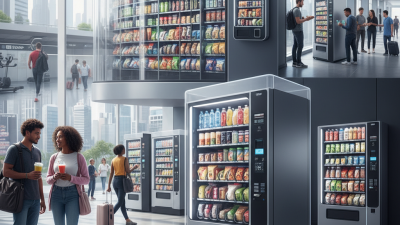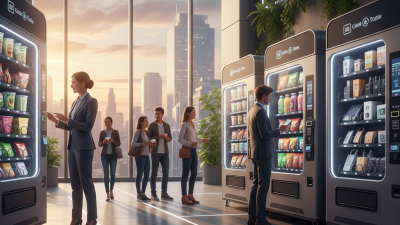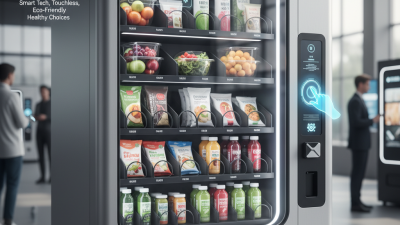
In recent years, vending machines have transformed the landscape of convenience in China. They are no longer just a source for snacks and drinks. Today’s vending machine locations offer unique experiences, making them worthy of exploration. From bustling city streets to serene parks, these machines provide a glimpse into local culture and innovation.
As you journey through China, discovering these vending machine locations can be an adventure in itself. You may stumble upon machines that sell everything from trendy cosmetics to fresh food. Each location tells a story, reflecting the tastes and needs of its surroundings. However, not all machines are created equal. Some locations might disappoint, lacking variety or quality.
Despite this, the thrill of finding a hidden gem makes the experience worthwhile. The diversity of vending machine locations across China showcases the country’s rapid modernization. Visiting these spots not only satisfies cravings but also offers insight into urban life. So, embark on this quest and explore the most intriguing vending machine locations in China.
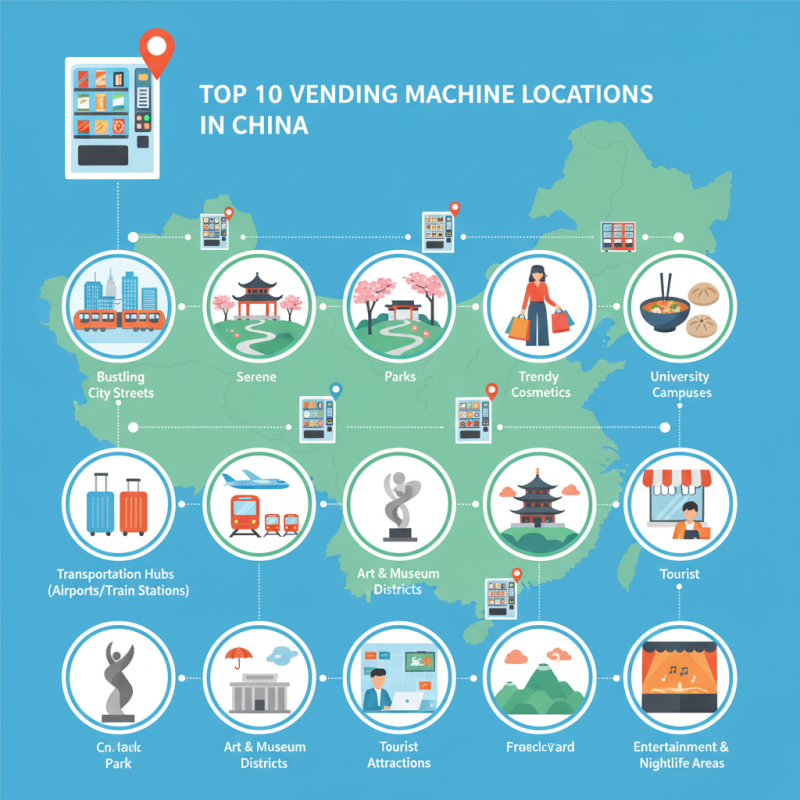
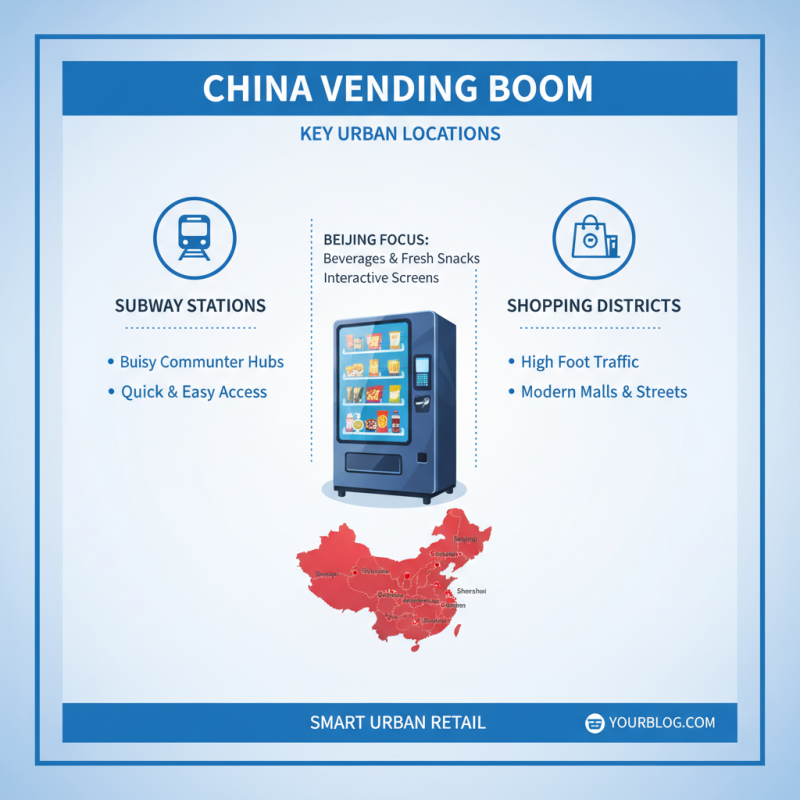
China's urban landscape is rapidly evolving, and vending machines are becoming a focal point in major cities. In bustling Beijing, you can find machines offering a variety of items, from beverages to fresh snacks. Many even feature interactive screens for an enhanced user experience. These machines are often located in subway stations and popular shopping areas, making them easily accessible for busy commuters.
Shanghai stands out with its modern and innovative vending machine designs. Some machines specialize in local delicacies, allowing visitors to enjoy authentic flavors on the go. Meanwhile, Guangzhou’s vending spots often emphasize convenience. Here, machines dispense both food and personal care products. However, the challenge remains—many are still figuring out how to navigate these machines effectively, as some interfaces can be confusing for first-time users.
In Chengdu, the blend of traditional culture and modern technology is evident. Vending machines here often feature local crafts alongside snacks. Yet, a common observation is that users sometimes face long wait times during peak hours. This highlights the need for improvements in machine capacity. Overall, exploring these vending machine locations reveals much about the evolving consumer habits in China. They offer convenience but also present opportunities for better user engagement.
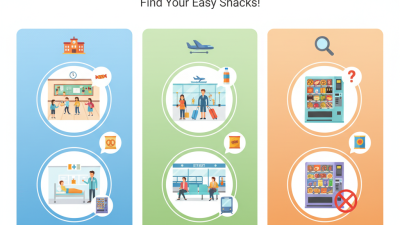
Vending machines in China are transforming retail experiences. They offer unique products that cater to local preferences. In bustling cities, these machines can be found in schools, parks, and shopping centers. Industry reports suggest that the vending machine market in China is growing rapidly, projected to reach $8.3 billion by 2025. This growth indicates a thirsty market for fresh concepts.
One captivating aspect is the rise of vending machines that dispense hot meals. In areas where convenience is paramount, these machines serve noodles and rice dishes. Customers appreciate the speed and variety. However, the success of these machines requires regular maintenance and food safety checks. Some machines might face challenges with product freshness, impacting customer trust.
Another innovative concept is the automated retail space offering personal care items. From skincare to cosmetics, these machines target young, tech-savvy consumers. Yet, the reliance on technology may deter less tech-friendly shoppers. The industry must continually adapt to consumer feedback and changing trends. This highlights a need for constant evaluation and improvement in machine offerings and locations.
This chart illustrates the distribution of unique vending machine locations across ten major cities in China. The data reveals a significant presence of vending machines in urban areas, indicating a growing trend in automated retail solutions.
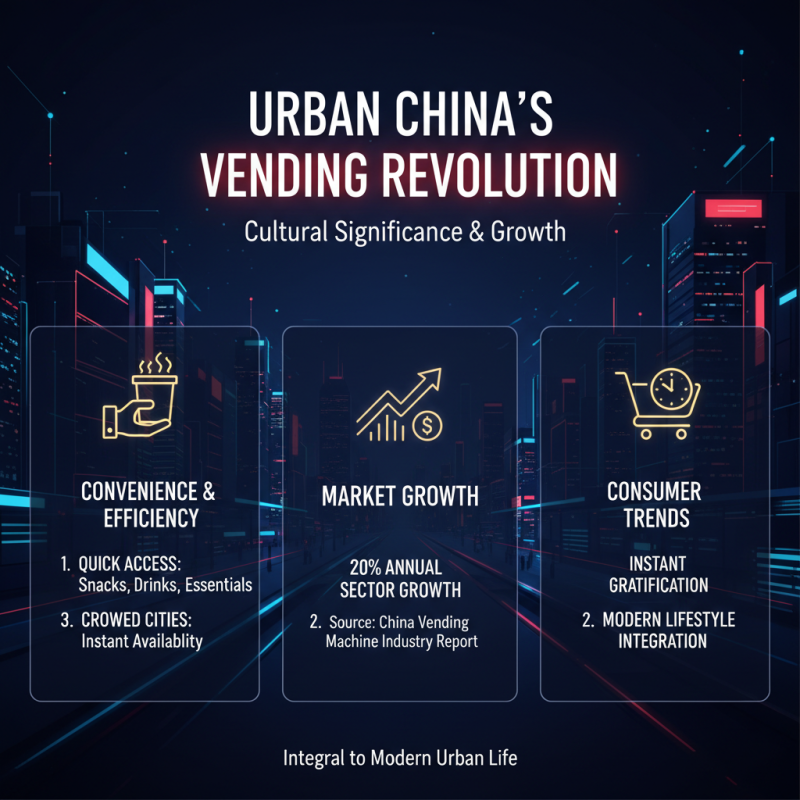
Vending machines have become an integral part of urban life in China. These machines offer convenience and efficiency. In crowded cities, they provide quick access to snacks, drinks, and essential items. According to the China Vending Machine Industry Report, the sector is expected to grow by 20% annually. This growth reflects changing consumer preferences and the need for instant gratification.
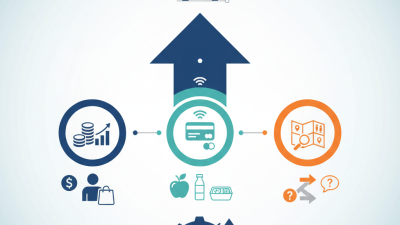
Culturally, vending machines represent a shift in lifestyle. They serve as modern gathering points in urban spaces. People often pause to grab a quick bite, turning these machines into social hubs. The rise of cashless payments has further enhanced their popularity. A recent study shows that 75% of users prefer digital transactions over cash. This aligns with the global trend toward contactless payment methods.
However, the proliferation of vending machines raises some concerns. Not all areas benefit equally from them. In less populated regions, machines can stand unused. This can result in wasted resources and poor service quality. Urban planners must reflect on optimizing placement to maximize accessibility and minimize waste. The cultural significance of vending machines is clear, but thoughtful strategies are crucial for their continued success in urban life.
Vending machines in China offer an impressive variety of products. You can find snacks, drinks, and even fresh food. Many machines are located in busy areas, such as train stations and shopping malls. They cater to locals and tourists alike.
Popular items include instant noodles, gourmet snacks, and refreshing beverages. In big cities, machines sometimes stock unique local foods. For instance, some vending machines sell ready-to-eat dishes. This trend offers convenience, but it also raises questions about food quality and freshness.
However, vending machines are not always perfect. Some people report issues like malfunctioning machines or missing items. The experience can vary widely based on the location. Customers appreciate variety but often seek consistency. This ongoing evolution makes vending machines a fascinating aspect of urban life in China.
| Location | City | Product Types | Popular Item |
|---|---|---|---|
| Beijing Metro Station | Beijing | Snacks, Beverages, Hot Meals | Instant Noodles |
| Shanghai Shopping Mall | Shanghai | Beverages, Desserts, Electronics | Bottled Green Tea |
| Guangzhou Train Station | Guangzhou | Snacks, Instant Meals | Chips |
| Hangzhou West Lake | Hangzhou | Beverages, Souvenirs | Local Herbal Tea |
| Shenzhen Cyber Park | Shenzhen | Tech Gadgets, Snacks | USB Flash Drives |
| Chengdu Panda Base | Chengdu | Snacks, Drinks | Spicy Snacks |
| Xi’an City Wall | Xi’an | Local Snacks, Drinks | Baozi (Steamed Buns) |
| Nanjing Yangtze River Bridge | Nanjing | Beverages, Snacks | Nanjing Salted Duck |
| Tianjin Binhai International Airport | Tianjin | Snacks, Drinks, Travel Essentials | Instant Coffee |
The future of vending machines in China is both exciting and uncertain. With technology evolving rapidly, machines are becoming more intuitive. Touchless interfaces and AI-driven recommendations are gaining traction. Users appreciate the convenience of quick purchases without direct human interaction. This trend reflects a broader shift toward automation in daily life.
However, challenges exist. Not all vending machines are well-stocked or maintained. Customers often encounter empty slots or malfunctioning screens. This inconsistency can lead to frustration and decreased user engagement. Operators must overcome these hurdles to foster loyalty among their customers. There’s potential for growth but also the need for improvement.
Healthy options are becoming a priority in the vending machine market. As consumers seek nutritious snacks, machines offering fresh fruits or plant-based options could rise in popularity. Yet, the logistics of maintaining freshness present a noteworthy challenge. Balancing variety and quality will be crucial for success as the market evolves. The vending landscape in China will likely continue to change, influenced by consumer demand and technological advancements.